Sir Kevan Collins: No need to look abroad to improve education system

The government does not need to fly to Shanghai or Singapore to improve the education system; it can find answers in England’s schools, a senior Department for Education adviser has said.
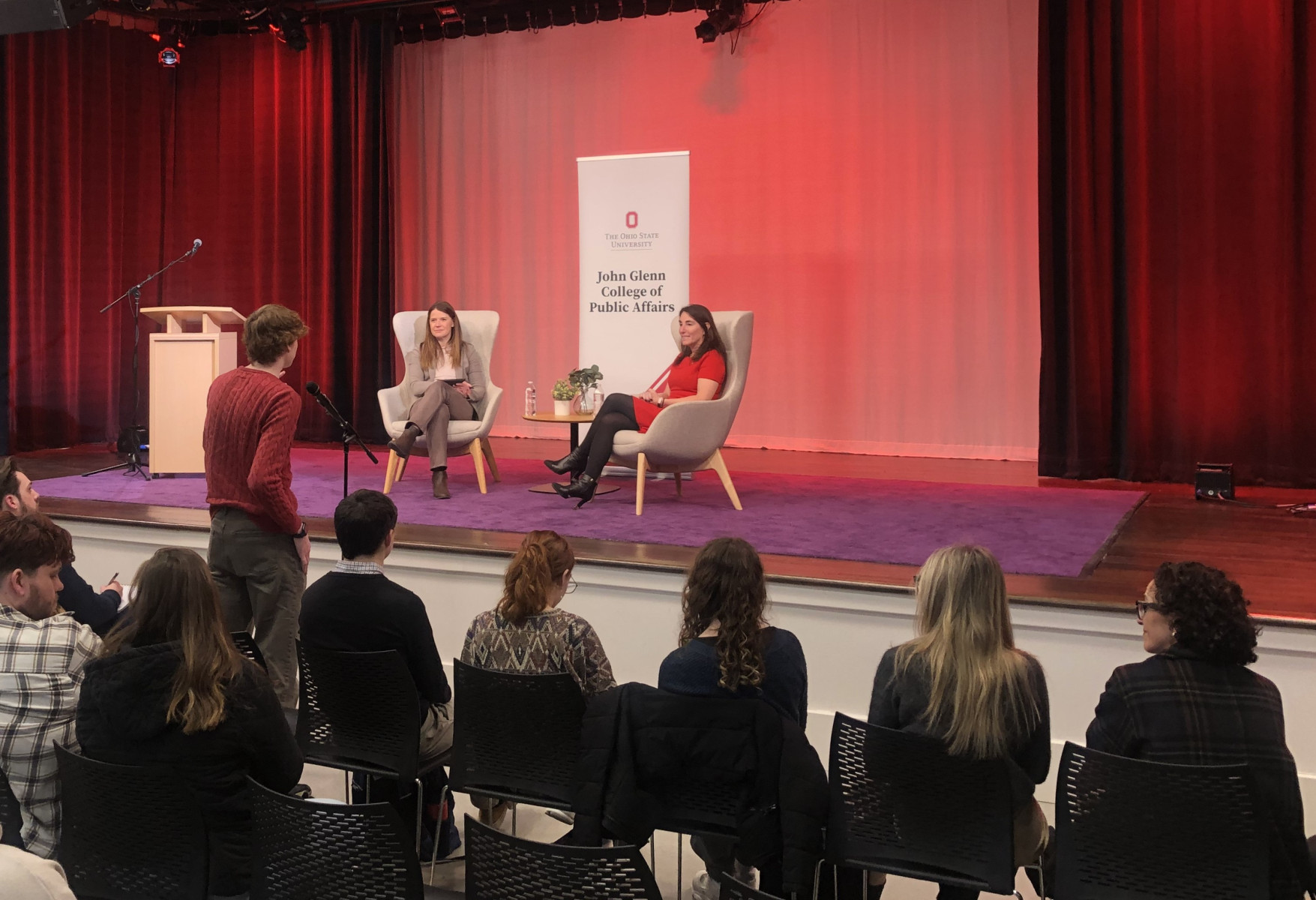
Sir Kevan Collins, the DfE’s lead non-executive board member, told the Leeds Learning Alliance’s inclusion conference that the government’s Regional Improvement for Standards and Excellence programme was based on the belief that the capacity to improve education in England exists within the system.
“I really believe that there is capacity”, he said, adding that in every policy area, there would be “a reference point in England [of schools] somewhere where this is being done brilliantly”.
He continued: “We don’t need to fly on planes to Singapore or Shanghai. We need to get on trains and go to places around this country and learn from each other”.
Sir Kevan said that “if we did that – and did that effectively – our whole system would jump enormously”.
The previous government looked to Shanghai as part of its approach to driving up standards in maths. Hubs were created at schools in England, which involved teachers from China delivering “masterclasses”.
DfE wants ‘specialists at hand’ for schools
Sir Kevan’s speech also outlined the government’s vision for the forthcoming schools White Paper, which is expected to be published this month, and will include the DfE’s plans for long-awaited special educational needs and disabilities reform.
He told the event on Friday that the government wanted to ensure schools could call upon “specialists at hand” to help meet children’s needs.
He said: “There’s a whole set of issues signalling that, although for many children in England the system works, for too many, it doesn’t.”
Sir Kevan indicated that this included children who face multiple disadvantages in their lives or who have particular learning needs.
He added: “We are really desperately trying to focus on inclusion. How do we improve this system? We’re not trying to cut the money, we’re not trying to save things, we’re trying to improve the outcomes.”
“We think the answer lies in investing in the main school system to support a broader range of children’s needs,” he said.
Inclusion is ‘non-negotiable requirement’
Sir Kevan said the DfE wanted to see “specialists at hand” to ensure that “speech language therapists and occupational therapists are available when the school needs them, not after some awful adversarial process”.
Feedback from DfE engagement events organised with the Council for Disabled Children on SEND reform had set out the need for schools to be supported by external experts.
In a summary of responses from the events, Amanda Allard, director of the Council for Disabled Children, said there had been a clear message that “inclusion in education is not optional, not aspirational, but a clear, non-negotiable requirement, where children are not only supported but welcomed and know they belong”.
She added: “This was accompanied by a clear message that schools and settings can’t be expected to do this alone; they must be supported by an ecosystem of multiagency specialists that develops their knowledge to understand and meet needs and make additional support available quickly.”
You can now get the UK’s most-trusted source of education news in a mobile app. Get Tes magazine on iOS and on Android
link