What is Deep Learning, Which is Included in the Indonesian Curriculum this Year?
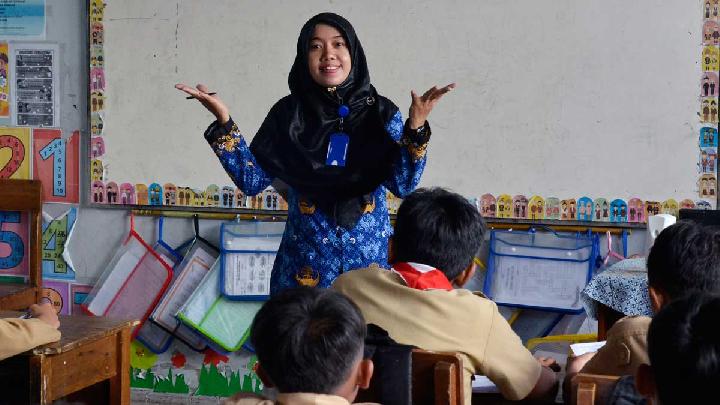
TEMPO.CO, Jakarta – Indonesia’s Ministry of Education and Culture has integrated a new learning method into the national curriculum. This method is the Deep Learning system.
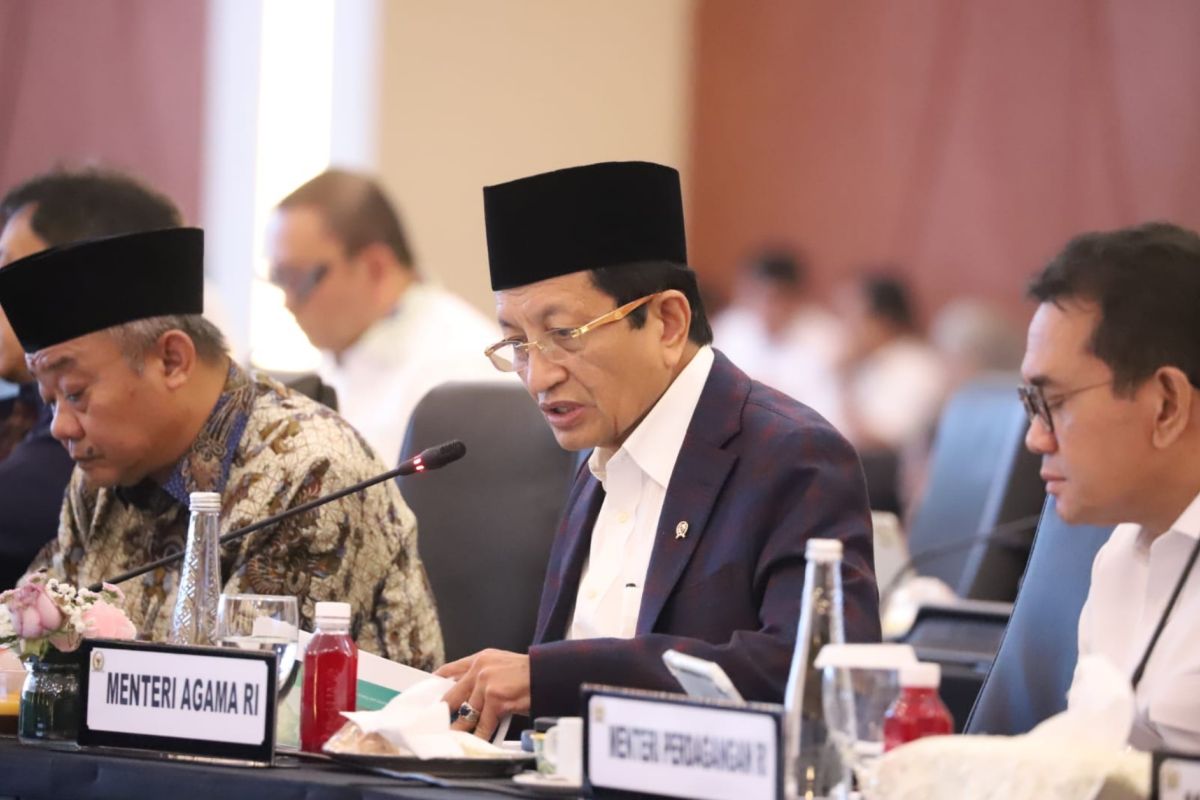
The Ministry of Education and Culture will implement this method in all primary and secondary schools in Indonesia starting from the ongoing academic year 2025/2026. The Head of the Curriculum and Learning Center of the Ministry of Education and Culture, Laksmi Dewi, stated that this model could help improve students’ literacy skills.
One of the impacts, she said, is that students can learn to read and compute at a faster pace. “We hope this model can enhance students’ learning outcomes and competencies,” said Laksmi at the Grand Sahid Jaya Jakarta on Friday, July 18, 2025.
So, what is the deep learning method that has been included in the primary and secondary school curriculum this year?
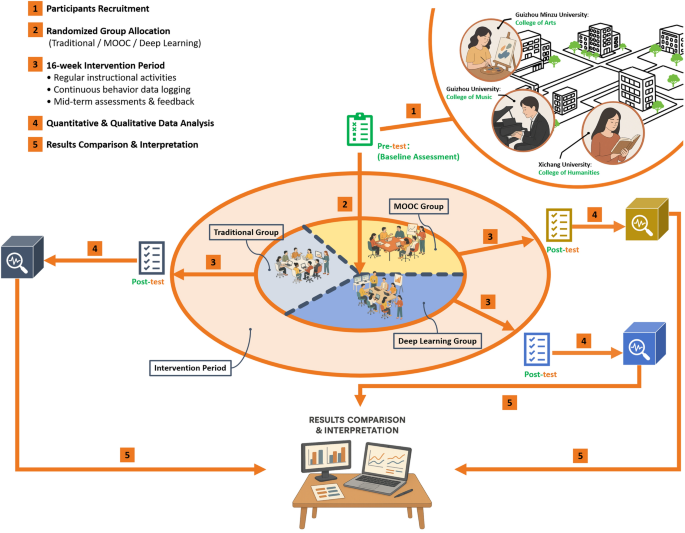
There are four learning methods that will be implemented by teachers in deep learning. These four are pedagogical practices, learning partnerships, learning environments, and digital utilization.
In pedagogical practices, teachers will be more specific in developing teaching strategies. The teaching strategies chosen by teachers aim to provide an authentic learning experience for students. “Teachers prioritize real practices that encourage high-level thinking skills,” said Laksmi.
Meanwhile, in the framework of deep learning learning partnerships, teachers are expected to form more dynamic relationships with students, parents, as well as the community and professional partners. This method transforms the learning approach, which has been entirely controlled by the teacher, into collaborative learning.
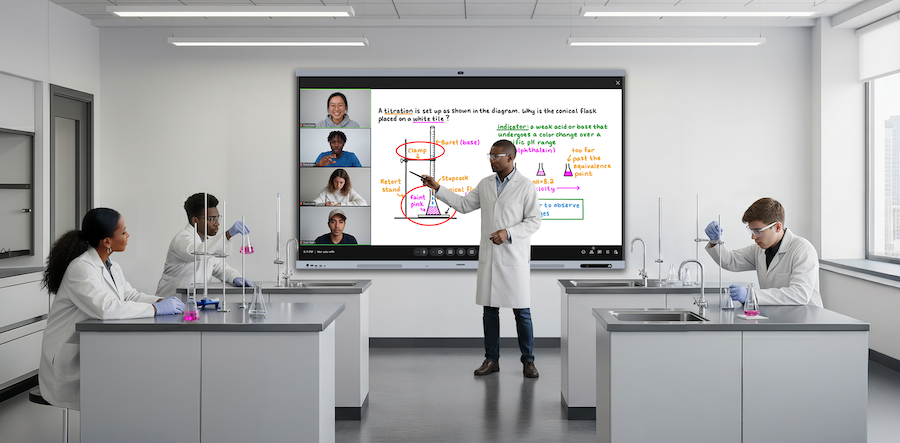
As for the third framework of deep learning, which is the learning environment, teachers are encouraged to integrate physical, virtual, and cultural spaces. According to Laksmi, teachers will be more flexible in using physical and virtual spaces to teach their students. In this way, teachers will be able to accommodate various learning styles of the students.
The fourth framework of deep learning is the utilization of technology. Digital technology will play a role in creating a more interactive learning environment with students. “Moreover, the availability of various learning resources provides an opportunity to create meaningful knowledge for students,” said Laksmi.
The Chairperson of the Association of Education and Religious Education Supervisors across Indonesia, Yun Yun Yunadi, mentioned that deep learning is a learning method that does not only focus on memorizing facts. “But it focuses on developing critical thinking, creativity, and collaboration,” he said in a written statement on March 5, 2025.
However, Yun Yun mentioned that the limitations of resources and infrastructure in some schools, especially in remote areas, are still obstacles. Therefore, he said, school principals and education supervisors play a crucial role in supporting teachers in implementing deep learning.
Meanwhile, the Chair of the Working Group of Islamic Education Supervisors in East Jakarta, Wawan Kurniawan, stated that deep learning is not a new curriculum. According to him, this method is a learning approach. Wawan stated that the deep learning approach focuses on three main elements, namely mindful, meaningful, and durable.
“Mindful emphasizes the importance of students‘ full presence in the learning process, meaningful ensures that the material being learned is relevant and meaningful to students’ real life, and durable aims to create knowledge and skills that last and can be applied in various contexts,” said Wawan.
Editor’s Choice: Indonesia to Equip Thousands of Outermost Schools with Satellite Internet and Solar Power
Click here to get the latest news updates from Tempo on Google News
link