Mental health: Japan helps Ukraine teachers struggling amid school destruction

Russia’s invasion of Ukraine in 2022 shattered the daily lives of people across the country. Schools have been destroyed, upending the education system. Although schooling has continued online, in underground classrooms and shelters, millions of students and teachers have been displaced. Many people have had to part with their fathers, husbands, and siblings who are fighting in the war. All of this is taking a toll on mental health.
NHK World’s Sekiya Satoshi explains how educators in Japan and Ukraine are working together to overcome the crisis.
Problems facing Ukraine’s education sector

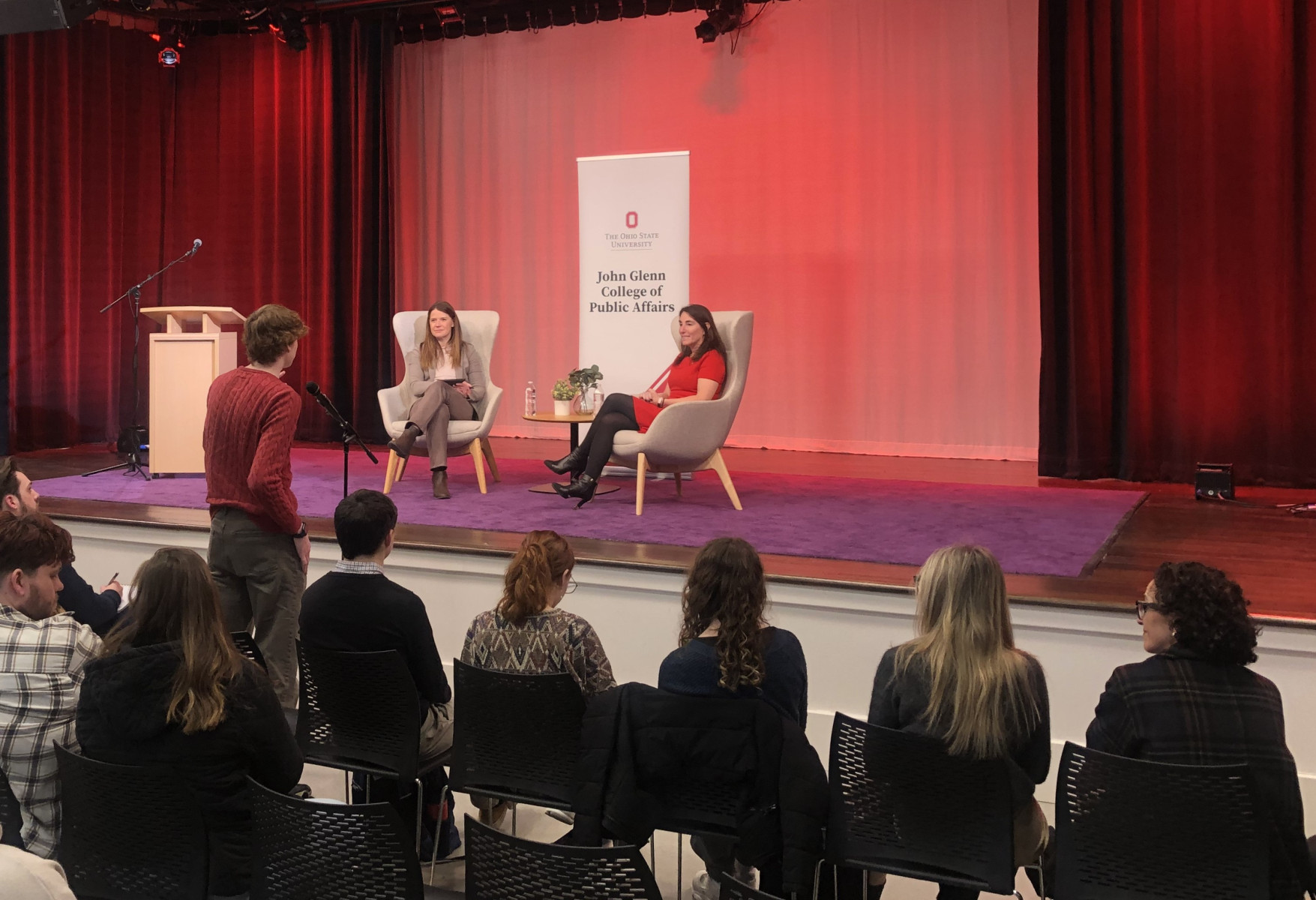
About 130 people gathered at Saitama University on November 14 for an international symposium: “Resilient Education and Psychological Support in Crisis ― Insights from Ukraine and Japan.” Attendees included academics from Ukrainian universities and Japanese government agency representatives.
Saitama University has long worked with Professor Olha Nikolenko, from Ukraine’s Poltava V.G. Korolenko National Pedagogical University. She and her daughter, Associate Professor Kateryna Nikolenko, came to talk about the problems facing their education sector.

The pair detailed how one in seven schools across Ukraine has been destroyed. More than 2,700 children have been killed or seriously injured. They say students have also been scattered, with millions displaced within Ukraine and abroad.
According to a survey conducted in conjunction with Saitama University, the situation is taking a toll on teachers’ mental health.
Kateryna Nikolenko outlined the survey’s findings: “According to the survey in early 2024, 53 percent of teachers experienced distress. This is a difficult condition. Teachers often experience anxiety, fear, loss of strength and energy.
“In October 2024, this condition worsened by 5 percent. 57.9 percent of teachers reported a deterioration in their mental health.”
Olha Nikolenko said educators needed more help, explaining “Ukrainian teachers are real heroes. But heroes also need psychological support and useful practices to restore their mental health.”
Japanese therapy
Zhao Danning, a psychology expert and associate professor at Saitama University, has been working with Olha Nikolenko’s team.

Zhao hosts regular online workshops for Ukrainian teachers. She uses psychotherapy techniques to help them cope with stress and anxiety.
“Morita Therapy,” developed in Japan, has been used to treat post-traumatic stress disorder in refugees. The hope is to help the Ukrainians find a way to live with their feelings of anxiety and fear, instead of being overwhelmed by those emotions.
Zhao pointed out that according to Morita Therapy, it is important to recognize one’s own feelings. But she added that there are times when people are so overwhelmed they can’t even do that.
She and Olha Nikolenko have an open-ended discussion about the best path forward for the Ukrainians.
‘Tired and burnt out’
One workshop in particular showed the depth of the problem. A few months ago, Zhao and Olha Nikolenko held an online session with teachers in Zaporizhzhia.

That region has seen some of the war’s worst fighting. The teachers described living in two realities: daytime life and nighttime survival, when they’re hoping just to live another day.
One teacher described the daily terror: “Rockets are constantly flying over us. It’s very scary. What do I do to not be afraid? I pray constantly. There is a lot of work at school, and school takes up all my thoughts, as well as my fear.
“We have two realities ― day and night. During the day we still live, but at night we freeze and pray to survive.”
Another described feeling tired and burnt out in the struggle to control their emotions. “We have little knowledge of how to resist the war, how to save ourselves, but we are open to knowledge,” the teacher said.
“We need help. We feel emotional burnout, emotional exhaustion. We cannot control our emotions.”
She added that she still tried “to do something for the children and try to charge them with positive emotions, to form a positive attitude towards the world and people.”
On top of all that, teachers are also responsible for their students’ well-being. That makes their own mental health crucial.
How the Saitama University workshops are helping
Some teachers said the meetings gave them more confidence in themselves. Talking about their situation helped them stay steady in tough times. Kateryna Nikolenko told NHK World she and her team have seen the changes.

“We noticed that the teachers were more open,” she said. “They started being more positive. They started looking for things that inspired them and gave them the will to live. So we noticed the positive effects of Japanese therapy for Ukrainian teachers.”
Nationwide program
Fortunately, the Saitama University offering is not the only initiative targeting mental health in Ukraine. There is also a nationwide program, spearheaded by First Lady Olena Zelenska.
How Are You? offers expert advice online with a website that helps people find mental health professionals, and provides tips for self-care.

Zelenska has called the fight against trauma “an invisible frontline” they must win. She said mental health care is the people’s best weapon.
The Japan International Cooperation Agency (JICA) is supporting the initiative. It welcomed Ukrainian officials and experts to Japan earlier this year to consult with medical specialists.
Schools carry on
There are some signs that things might be getting better for the education sector. Some schools have started in-person classes again. In September, students from Mariupol, who had been studying online, gathered in a classroom in Kyiv for the first time in more than three years.

Another school in Kryvyi Rih, central Ukraine, has also been able to resume in-person classes. In a video shown at the symposium, students and teachers from the campus shared their hopes for the future.

“My dream is that the fighting will stop, and then my dad will come back from the war, and we will go to the sea together,” said one boy.

For another, “My dream is that everything will be okay and we won’t have to hide in the basement anymore. And there will be no more sirens.”

A teacher said, “War destroys everything ― homes, roads, plans. But it cannot destroy people’s desire to learn.”
People are worried about preserving their language, culture and traditions. According to teachers, in-person classes are important to maintain that ongoing education ― and give citizens hope that their communities can be rebuilt.
link