ACE has career guidance in spades
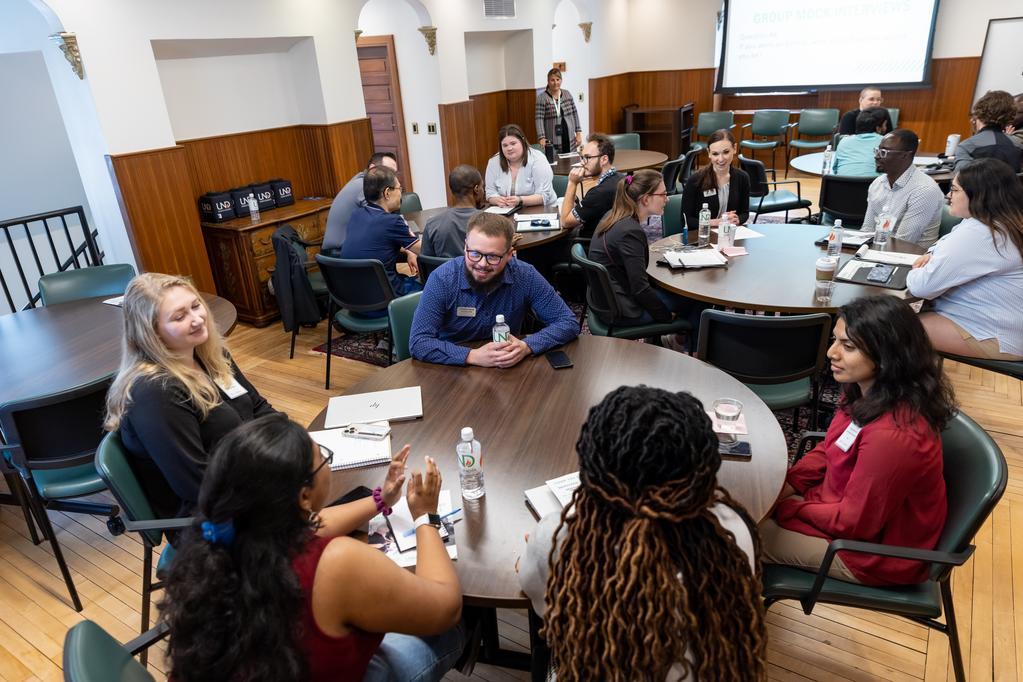
At the office of UND’s Academic & Career Exploration, staff and faculty find new ways to guide students through the University and beyond
Most students have had a moment—mid-semester, mid-study session, mid-panic attack—where they look up from a problem set or blank Word document and think: “Why am I doing this, and where is it taking me?”
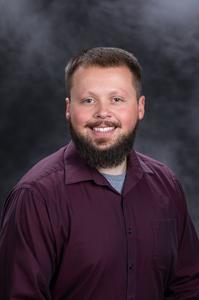
Kyle Braun gets it. That question, he says, is at the heart of the work happening inside UND’s Academic & Career Exploration (ACE) program, a growing service for students and alumni navigating majors, careers and the sometimes-messy spaces in between.
“It’s a very human thing,” Braun said. “It’s the question of, who am I and where am I going?”
Braun is UND’s Academic & Career Exploration coordinator. ACE is about 4½ years old; it was created after University leaders noticed a pattern: students were changing majors, but there wasn’t an easy way to understand what happened next—where they landed, whether they stayed and what kind of support helped them finish.
Together with his colleague Brieanne Gibbon Duncklee, Braun’s job was to support students unsure of the direction they should head in.
“There wasn’t anything to sort of follow those students around,” Braun said. “There’s no official way to track the data.”
So ACE was built to do two things at once: support students who feel uncertain, and learn from those experiences so the University can better guide the next student who feels stuck.
A place for every student at ACE
ACE is voluntary, but it’s designed to feel like a steady place to land when things get sticky, Braun said. Students don’t get bounced around; instead, they work with the team until they feel confident.
That matters, because uncertainty rarely arrives in neat, cookie-cutter circumstances. A student might show up saying they’re struggling in a major, but what they’re really wrestling with is a mix of confidence, identity, pressure, interests and expectations.
This can happen at any time in a student’s academic career, so ACE works across colleges and stages.
“We work with any student, any college, any year, prospective undergraduate, graduate, and then all UND alumni, too,” Braun said.
And because the team is built to service a broad array of student needs, students don’t have to figure out the “right” office before they can start asking the real questions.
“We will career advise for any and every major,” Braun said.
How ACE helps students
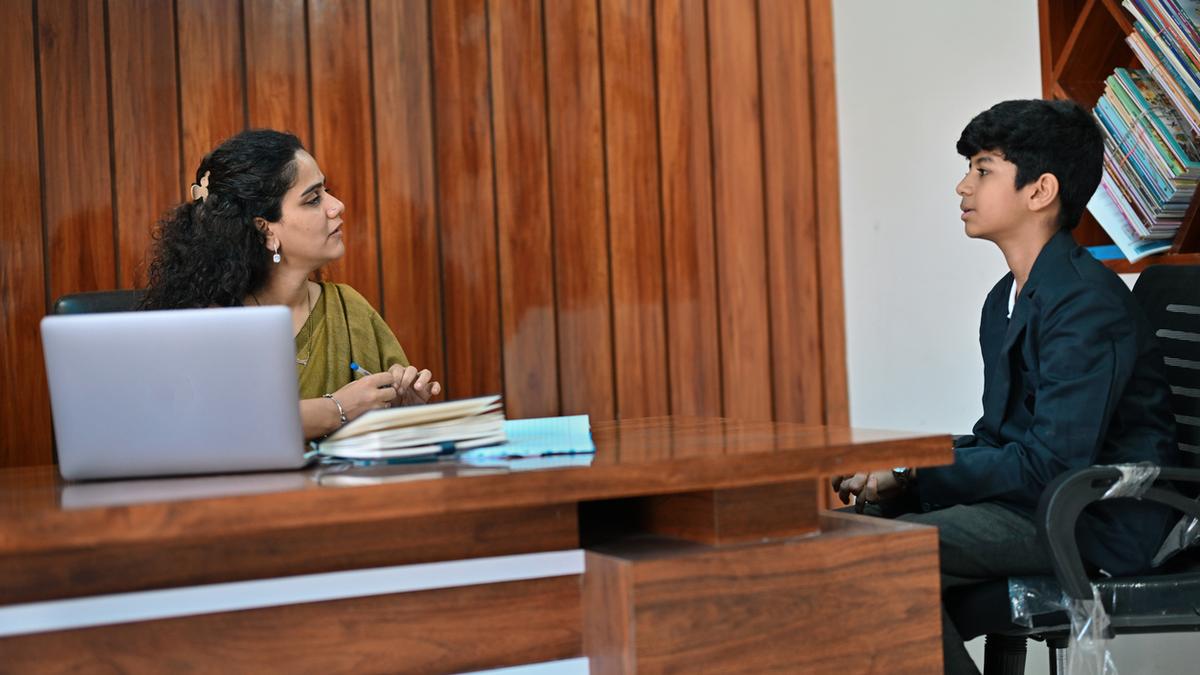
At ACE, students have one-on-one conversations with an academic and career adviser. The first step is usually simple: slow down and try to pinpoint what’s actually going on.
“It starts with a lot of questions,” Braun said. “What’s the situation you’re in right now, and what barriers you’re running into?”
That first meeting is about connecting the dots between what a student is experiencing now and what they want life to look like later, Braun said.
“We really want to take the perspective of, if you’re struggling in your program, your program is meant to prepare you for your career,” he said. “We want you to be happy and fulfilled.”
That doesn’t mean every conversation ends in a big revelation or fleshed-out plan. Every student ACE sees is different, and some need multiple meetings. Careful consideration and “soul-searching” is all a part of the process, Braun said.
“Exploring is normal and expected and good,” he said. “Let us help you if you feel a bit lost in that exploration.”
A new pathway to success
Sometimes a student has a hunch that they aren’t quite on the right path, but the idea of a one-on-one meeting feels overwhelming or unproductive because they don’t know yet know how to articulate what they’re looking for.
This is where PathwayU comes in. It’s a personality assessment based on interest, personality and workplace preferences — a familiar tool in the arsenal of any academic or career adviser.
PathwayU asks students questions about their interests, their strengths and what they perceive as areas of struggle. After completing the comprehensive questionnaire, students get results and can explore career matches and the programs at UND that can get them there.
Braun says this is a first step for many students who get referrals from friends, classmates, instructors and advisers. And the results are surprisingly on the nose.
“It doesn’t know my degree or my work experience, just what my answers were,” Braun said, tilting his computer monitor to reveal his own results. At the very top is English instructor.
“I have an English degree, and I teach English on the side,” he said with a satisfied smile. The results that students get are linked directly to UND programs to prepare them for that career path.
PathwayU is already widely used at UND. In fact, there are 3,000 students in the system right now, Braun said.
“It’s nice if they do it before we meet with them, because we can see their results,” Braun said. “If they’re really in the early stages of exploration, this is a great first step.”
Growing demand, big impact
In four years, ACE has gone from zero to steady traffic with clear outcomes. During the fall semester, the team works with around 250 unique students. Across a full academic year, that’s typically 450 to 500 unique student appointments.
Importantly, the work ACE does also connects to retention. ACE tracks student appointments and retention rates, and students who meet with the team are retained at a higher rate than the university average: about 93% from fall to spring, and 88–89% from fall to fall.
Still, Braun emphasized that their approach is human-centric, rather than business-driven.
“I want us to, first and foremost, take care of our students and our colleagues,” he said. “I want these students to be happy and satisfied and successful, whatever those terms are to them.”
Career conversations in classroom and beyond
ACE is also part of a larger push to weave career thinking more naturally into the advising experience. UND wants academic advisors to take on more career-advising perspectives to help more students earlier.
“We also have this concept called parallel career planning,” Braun said. The term refers to looking at the paths that can run alongside a major — paths such as minors, double majors or pre-professional tracks that open more doors.
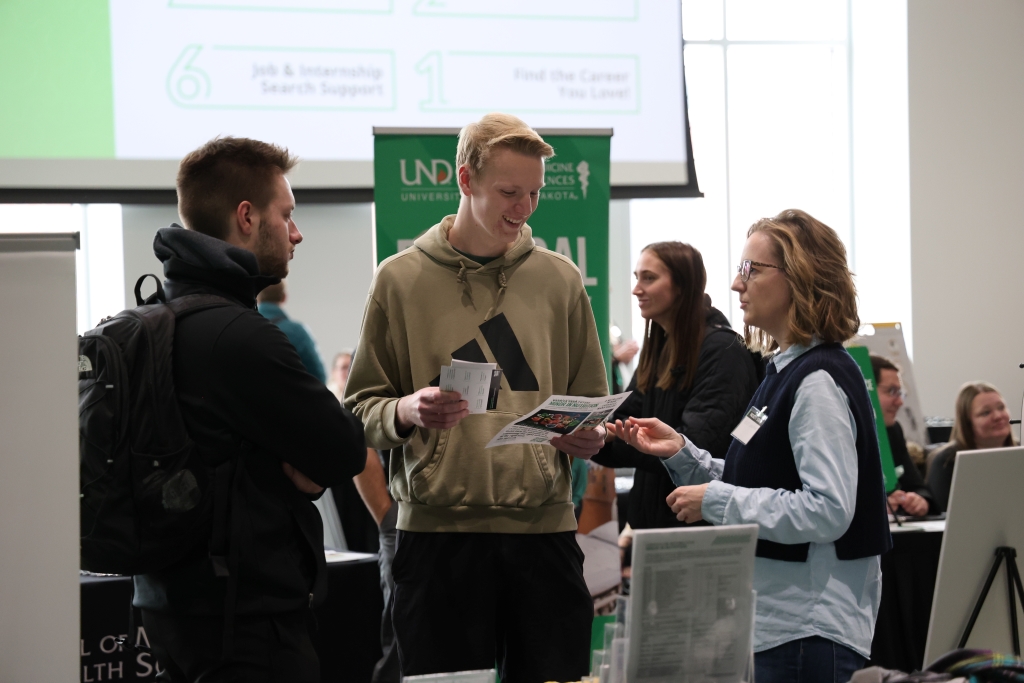
ACE also connects with students through events. The Major/Minor Fair, a showcase for UND degrees and programs, drew 760 students this fall, and the office partners with departments for smaller panels where students can hear from professionals and faculty.
ACE services are free, and students can find the office through Hawk Central, the ACE web pages and referrals from advisors and Career Services.
Braun encourages staff and faculty members to refer students to ACE if the students need help finding their way.
As Braun put it: “College is a place where you discover things. It’s not just about learning, it’s about life experience, discovering yourself, your goals.”
link